Showing posts with label Sustainability. Show all posts

Saturday, 2 July 2016

A Deep Look at Biodegradable and Plastic Packaging

Have you ever gotten some product that’s labeled compostable or biodegradable, and then wonder what the heck it means? Fear not, because you’re not alone here while used interchangeably by many, they are’ the same thing. 

Every compostable product is biodegradable, but not every biodegradable product is compostable. 


So, when choosing sustainable products, you may wonder what’s the better option. Understanding these terms allows for everyone to make a more sustainable sort of choice. Understand as well that both consumers and brands will know the difference. Consumers want to know what they have to do to toss it, and the customers need guidance on how to dispose of it. it’s important that, whatever you decide to use, you make it so that you have sustainability in the brand, and make sure that consumers can make decisions. 

What Compostable Is 

Compostable types of materials break down into smaller, more basic parts such as water, biomass, and carbon dioxide. It usually breaks down at a similar rate that other organic materials do, not releasing harmful toxins and residue. 

These products will biodegrade and further disintegrate within 90 days, not leaving any residue.   This is tested before the product is labeled to this standard through seed germination trials, ensuring that the composted item does not harm the plant life.

Compostable types of items also add value to the ecosystem through decomposition of nutrient rich composting, and it’s usually disposed inside a compost bin. 


What Biodegradable Packaging Is 

So what’s the difference then? 

Biodegradable means that it breaks down naturally through microorganisms such as fungi and bacteria. Did you know that each material does biodegrade? It might take time, sometimes centuries, but it does. 

Biodegradable items aren’t regulated, with no time limit, and there isn’t any testing to ensure that this is freed from the dangerous toxins.   Usually, this breaks down safely and quickly, but not every product that’s advertised this manner has this criteria. 

Products labeled as this without further additives are usually misleading and vague towards customers. 

Because of the vagueness, biodegradable types of products might actually cause contamination of the compost and must be disposed of in the trash collection and landfill. 

What’s Better? 

Both off these do the job, offering a natural process to recycle organic waste. All of your compostable products are biodegradable, but the biodegradable ones aren’t totally compostable. 

The primary difference is that the compostable one has dealt with stricter testing to make sure that they break down within a set period of time, and don’t contribute any harmful chemicals to the environment. 

This biodegradable product usually has no types of requirements, so they might not be as good as you think they are. However, if you are a company that takes pride in giving customers an easier way to dispose of items, then go biodegradable. 


If you know that your customers are super dedicated to the planet, then you might want to do the compostable.   Bear in mind though that certain items may not be very good as compostable items but may be better off as biodegradable elements. 

Overall, compostable packaging offers: 

  • A means to break down within a time limit needed for the environment and t’s composting. 

  • Not release toxins that are harmful as they break down. 

  • Offer a healthy compost that adequately enriches your soil. 

  • Compostable packaging has much higher standards and are tested regularly and will not be approved unless they meet the standards. Biodegradable always has to go into the trash, in contrast. 

Keep all these in mind  to have the best packaging experience. 


Friday, 29 October 2010

Innovating sustainability with Edible Packaging

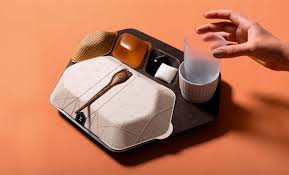
Edible packaging is a new type of packaging that’s recently come down the pipeline.   It’s packaging that people can eat, so for those food items that are in it, they can have the food and the packaging as a treat too.

But it’s more than just something that can enhance a customer’s experience. While ice cream cones are a tasty treat and are technically a form of edible packaging, they’re also more sustainable.   You get the item, rather than having to get a plastic lid, or even a paper lid.

The food and beverage industry is one that is revolutionizing, and with the advent of edible packaging, you’ll be able to further revolutionize in a manner that’s benefitting for everyone.

It’s a good way to reduce single-use plastics, providing edible alternatives to each of your needs. 


What goes into Edible Packaging 

Edible packaging has to be, well, edible. Paper is a bland type of edible packaging, but there are certain foods, such as plants and the like, that can be a great addition to edible packaging.

Seaweed is a popular one. Overly abundant in our oceans, it can be used for packaging, in order to offer a nice little container for those who are involved. It's a great addition, and a treat that will provide a lot of options for customers. 


Rice paper is another. Popular in Asian candies, this is a great container that will house the items that you have, giving you something that’s edible, hygienic, and safe to consume.

Another one is gelatin. This is a clear, flavorless type of element that can be manipulated to be used for packaging. Used to cover the food in a coating, it doesn’t enhance or take away from the food, but keeps it safe and sustainable for everyone who is interested in having it.

Again, these are all packaging items that are edible. However, considerations for texture, flavor, and safety when creating this edible packaging need to be kept in mind.   you don’t want the item to taste bad, nor do you want people turned off by the texture of the item. Safety is another, as many people don't want to have a foreign element that will taste bad. 

Benefits and Drawbacks 

There’s a lot of fun that can be had with edible packaging. It is a viable solution that can effectively provide those who have this type of food a packaging experience that will be worthwhile.

Some people are all about sustainability, but with edible packaging, they get just that. It can open the door to so many new types of food packaging and revolutionary additives. 


However, there are some drawbacks that come with it.   shelf life is a big one, for a lot of times these foods taste good, but come with the problem of it does go bad after a little bit.   The other one is food safety, since there is a limit to how much this protects the items that you’re having.

Finally, there is also the consideration of consumer acceptance. While edible packaging has come a long way, not every customer’s into it, so it may impact the overall feelings and opinion on the food safety of these items.

Bearing all this in mind is imperative. Providing your customers with these means to have sustainable packaging is great, but you need to be mindful of how consumers might react. With more and more people gunning for this type of packaging however, there’s more and more innovations in edible materials coming down the pipeline, which are more cost-effective and versatile compared to other packaging types.